Winter is the time to address forest health
Winter may seem like a time when there’s not a lot going on in the forest, so you may be inclined to kick back by the fireside and watch the rain fall outside. However, wintertime is actually one of the best times to take actions for improving your forest’s health. The wet weather has many benefits to work with to make the most of the season.
Wet Weather Benefits:
1. Reduced fire risk
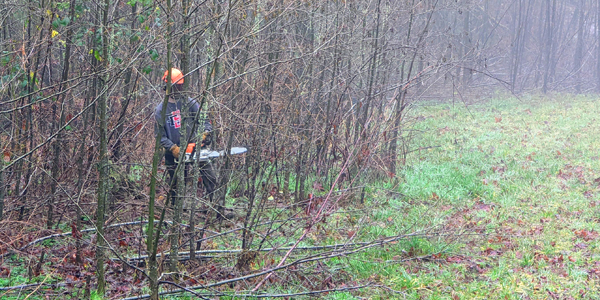
The cold, wet weather reduces wildfire risk, which means the use of machinery, such as chain saws and brush trimmers, is less likely to ignite a fire. So now’s the time to cut down invasive plant infestations, reduce brushy wildfire ladder fuels within 30 feet of your home, and prune up lower tree branches on younger Douglas fir trees. The process of reducing smaller trees between larger, healthier trees is called thinning.
2. Less likely to disturb birds

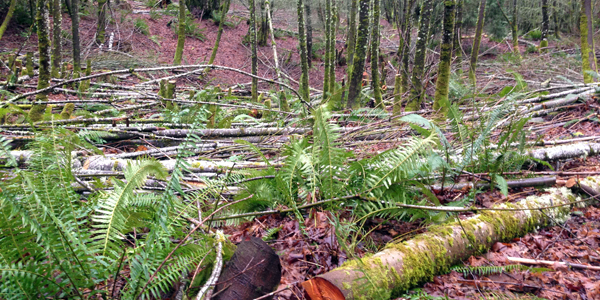
Work done during the winter also avoids disturbing bird nests, which are typically active from April through August. While it’s tempting to wait for fair summer weather to cut brush and thin forests, performing cutting work at this time poses a major risk to young developing birds.
3. Easier to dig wet soil
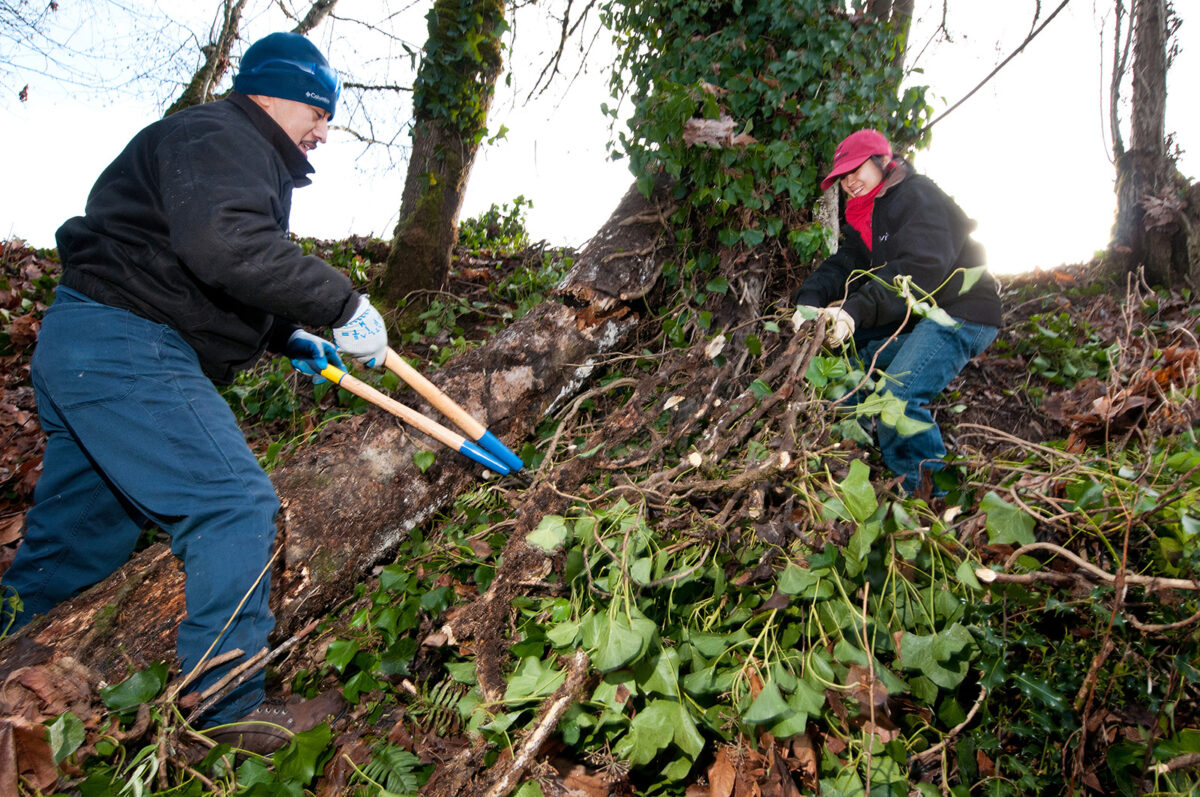
Weeds such as blackberry or Scotch broom growing along edges and gaps of the forest and ivy and Old Man’s Beard growing up trees are examples of ladder fuels since they provide a way for fire to move from the forest floor up into the canopy where it will cause much greater damage. Cutting alone won’t remove these weeds permanently, so be prepared to also dig up the roots or plan for later follow-up treatments. Conveniently enough, the moist soil makes removal of weed roots much easier too!
4. Easier to spot pesky evergreen weeds
Winter is also a great time to find English ivy in your forest since the evergreen leaves of English ivy stand out more once our broadleaf trees have dropped their leaves and our diverse native wildflowers have also gone dormant. When you find small patches of ivy, pull it from the ground and cut it off of the trees up to about 6 feet above ground.
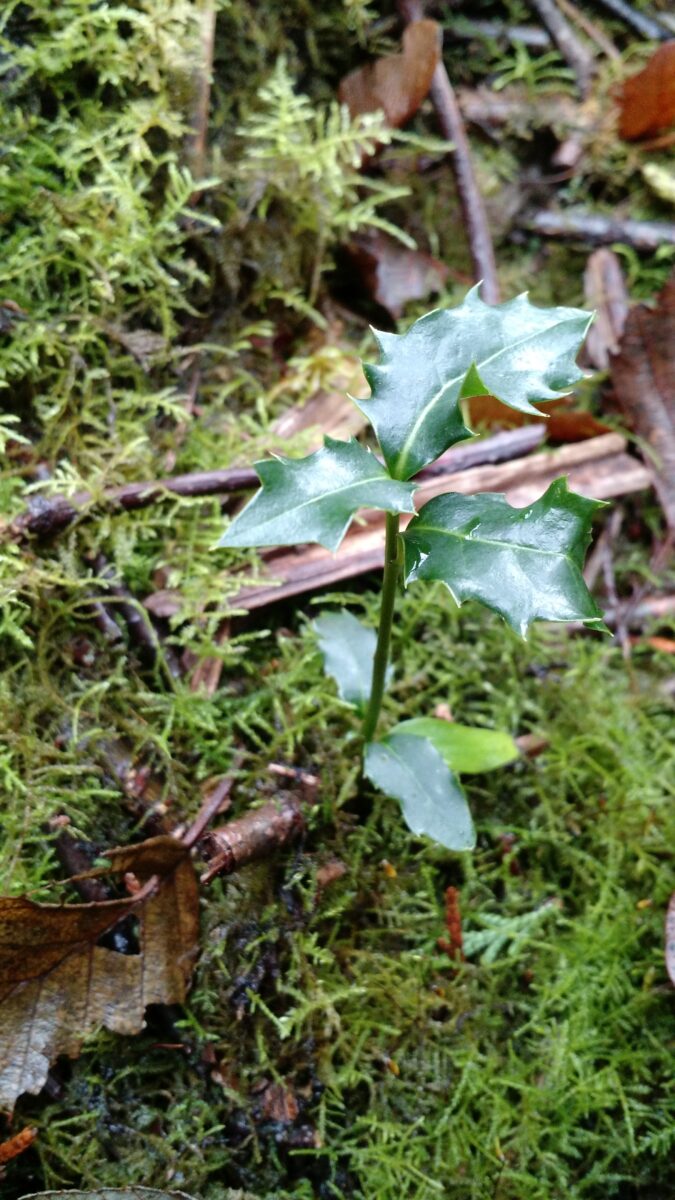
No need to pull vines down out of the tree; the cut vines will die on the tree. While you’re scouting for ivy, also keep an eye out for and pull seedlings of English holly and laurel.
Lesser celandine is easiest to spot in winter and early spring. Its bright flowers may look charming, but it’s highly aggressive and can quickly overwhelm native spring wildflowers. Once established, it’s difficult to remove—so early identification and action are key.
It leafs out in January and blooms in February. Look for dark green, shiny kidney- or heart-shaped leaves and yellow flowers with darker centers. Hand-dig small patches, removing all roots, bulblets, and tubers. Bag and trash all plant material (don’t compost) and clean tools and footwear. To prevent regrowth, cover the area with cardboard and 6″ of mulch, and monitor through winter and spring.
Small seedlings of English holly such as this are still able to be easily hand-pulled.

Lesser celandine quickly crowds out native wildflowers and is tough to remove once established.
5. Good time to care of culverts
Streams are at their maximum flow during rainy winter months. Culverts are human-made structures that allow streams to pass under forest roads and driveways (among other places). However, during winter storms, they are especially vulnerable to damage or failure as they can become clogged with soil, wood, and other debris. Poor culvert performance also leads to increased sediment entering our streams which can harm fish and other aquatic life.
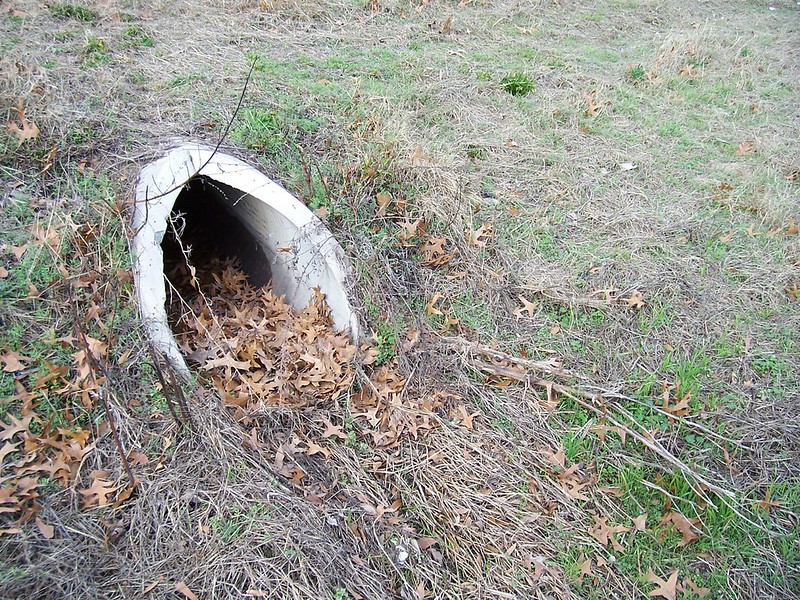
Culverts need annual maintenance, and we encourage you to inspect them a few times during winter to make sure they’re draining properly. If you stay on top of it, you’ll often be able to clear debris with a shovel or other hand tools.
6. Perfect time to start planning forest health projects
Finally, winter and spring are opportune times to start planning for future forest health projects. If, for example, you are surprised to find an overwhelming amount of ivy that has been growing unnoticed, or you want to thin an overcrowded young forest stand and aren’t quite sure how to go about it, contact us and we may be able to help you craft a plan.
Related Posts