Early Detection, Rapid Response Annual Program Summary

by Michelle Delepine, invasive program coordinator and conservationist Each year our early detection, rapid response (EDRR) program conducts outreach and expands the geographic area surveyed for priority invasive weeds. This past year (July 2024 – June 2025) we surveyed about 4,000 acres of private land and shorelines. Our surveys were conducted on private properties as…
Read MoreBoard Feature: Mike Oliver
by Eleanor Greene, outreach and communications coordinator Mike Oliver believes in his community, and always has. His first paid job was in the first community-based facility in California for youth with developmental and physical disabilities, in the 1970s, a time when people with disabilities were being moved out of institutionalization and into different types of…
Read MoreBoard Feature: Kat Topaz
by Eleanor Greene, outreach and communications coordinator You may have seen the billboard for Topaz Farm when you’re driving up Highway 30 toward Sauvie Island. You may have been there for berry picking, or a concert. If you’ve met Kat, she’s probably wearing a western (cowboy?) hat, a button-down shirt, and a big smile. Even…
Read MoreConsistent Stewardship Adds Up to Big Impact in Riparian Program
by Kammy Kern-Korot, Senior Conservationist The District’s riparianRiparian areas The land alongside a stream, creek, river, or floodplain restoration program has been quietly restoring rural streamside areas for the past 18 years. What began as a partnership with our federal, state and local conservation partners has grown into a self-sufficient program, now fully funded by…
Read MoreThis Year in Urban Conservation
by Ariana Scipioni, Urban Conservationist Since joining West Multnomah Soil & Water Conservation District in August 2024, I’ve found that my role as an Urban Conservationist is all about connecting people, place, and practice. I draw on scientific methods, alongside the passion and lived expertise of our community, to increase access to land for those…
Read MoreSauvie Island Strategic Implementation Area: Year Two
by Scott Gall, Farms & Soils Conservationist Two years ago, Oregon Department of Agriculture (ODA) selected Sauvie Island and the surrounding watershedwatershed an area of land that channels rainfall, snowmelt, and runoff into a common body of water, such as a nearby lake or river. Multiple streams can be part of the same watershed area,…
Read MoreA Sign of the Times at Dairy Creek
by Eleanor Greene, outreach and communications coordinator The Sturgeon Lake and Dairy Creek restoration project on Sauvie Island is one of our largest, longest, and proudest accomplishments as a District. As part of the project, which was officially completed in 2018, it was agreed that some of the funding from supporters would go to creating…
Read MoreTaking to the Hills for Fire Preparedness
by Eleanor Greene, outreach and communications coordinator, and Laura Taylor, forest conservationist 2024 was another record-breaking wildfire season in Oregon with over 1.9 million acres burned. As the summer turned to fall, Rachael Brake, longtime community organizer in the Skyline Ridge Neighborhood, began connecting with our Forest Conservationist, Laura Taylor, and Oregon State Fire Marshal’s…
Read MoreClimate-Conscious Conservation
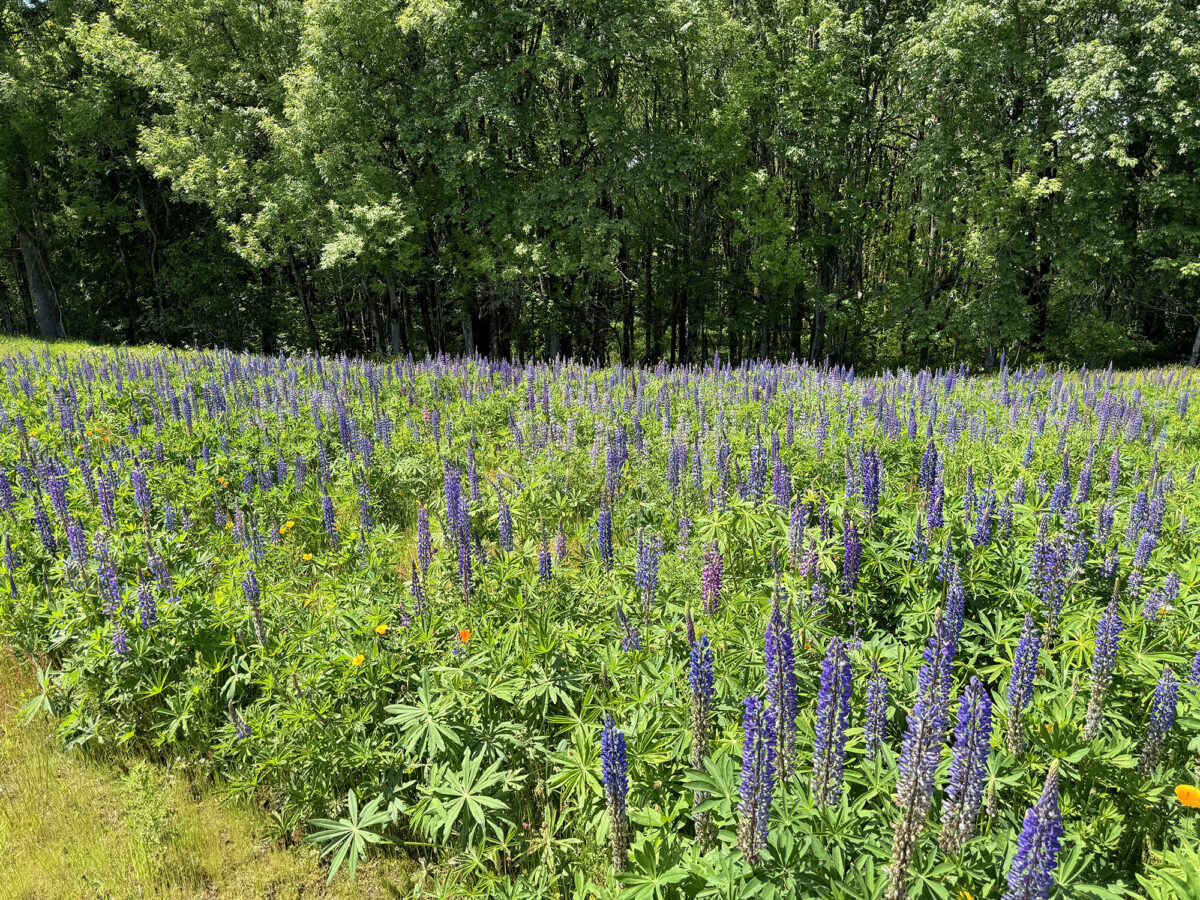
by Kammy Kern-Korot, senior conservationist Have you seen a previously healthy tree or sapling seemingly fried to a crisp by days of stifling heat? Then you’ve already seen how extreme weather, made worse by climate change, is affecting nature in our district. Dangerously high temperatures and increased precipitation and some severe flooding are all well-studied…
Read MoreMcCarthy Creek Headwaters Forest Restoration Project
by Laura Taylor, forest conservationist Over the past four years, West Multnomah SWCD has been partnering with Dieter Waiblinger to restore forest health along the headwaters of McCarthy Creek, which is on his property on McNamee Road, in northwest Multnomah County. McCarthy Creek is one of the largest year-round streams in our District and is…
Read MorePaddling Toward Progress: the Aquatic Invasive Species Program
by Eleanor Greene, outreach and communications coordinator, and Michelle Delepine, invasive species program specialist West Multnomah SWCD is constantly looking to remove highly impactful weedy plants throughout the district. Our invasive species program practices tracking, pulling, and treating with herbicides some of the most harmful weed species in our area. This includes weeds you may…
Read MoreBugs to Watch Out For
by Kammy Kern-Korot, senior conservationist Emerald Ash Borer The emerald ash borer and Mediterranean oak borer are insect pests that pose significant threats to Oregon’s native tree populations. Neither bug originates in North America and they are expected to have an outsized negative impact on tree species that are crucial to our ecosystems. Their arrivals…
Read More