Posts by WMSWCD Admin
Summer 2024 E-Newsletter: Jobs, Elections, and Action Ahead
As spring makes way for summer, we’re excited to bring you the latest in this newsletter, where you’ll find not just tips and inspiration for environmental stewardship, but also exciting opportunities to get involved— through job openings and upcoming elections. Want this in your inbox? We send e-newsletters like this quarterly. Scroll to the bottom…
Read MoreElections are Coming—Will YOU Serve on Our Board of Directors?
Do you love where you live? Are you interested in protecting natural spaces, plants, and animals in your area? Are you passionate about locally grown food? Do you want to give back to your community? Would you like a say in how tax dollars are spent? If so, West Multnomah SWCD’s Board of Directors could…
Read MoreMeet Our 2024 Interns!
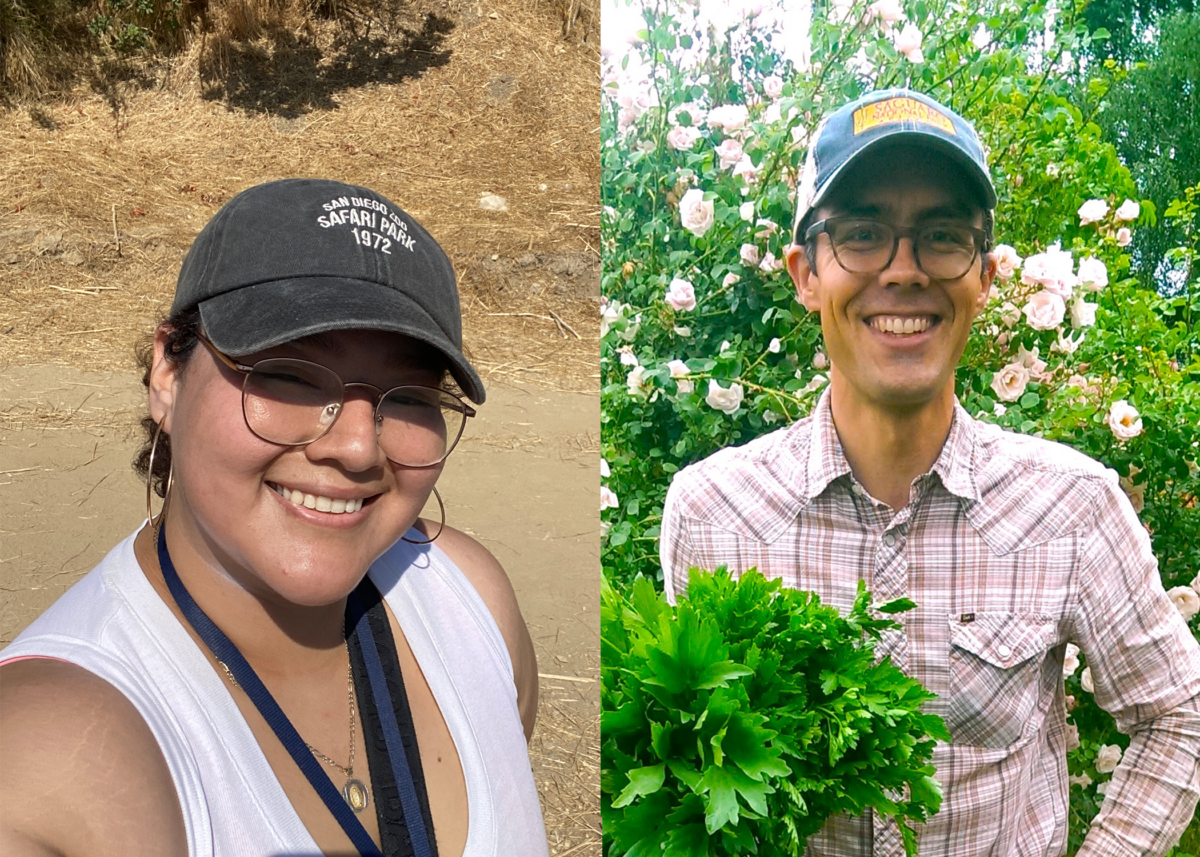
We are excited to welcome our 2024 interns, who join us for a term from April through early October. They work on a variety of projects, from conservation plans and technical work in the office to site visits and invasives removal in our district. Welcome to the team, Gladys and Merek! Gladys Nava-Jacobo (above left)…
Read MoreSoil School 2024
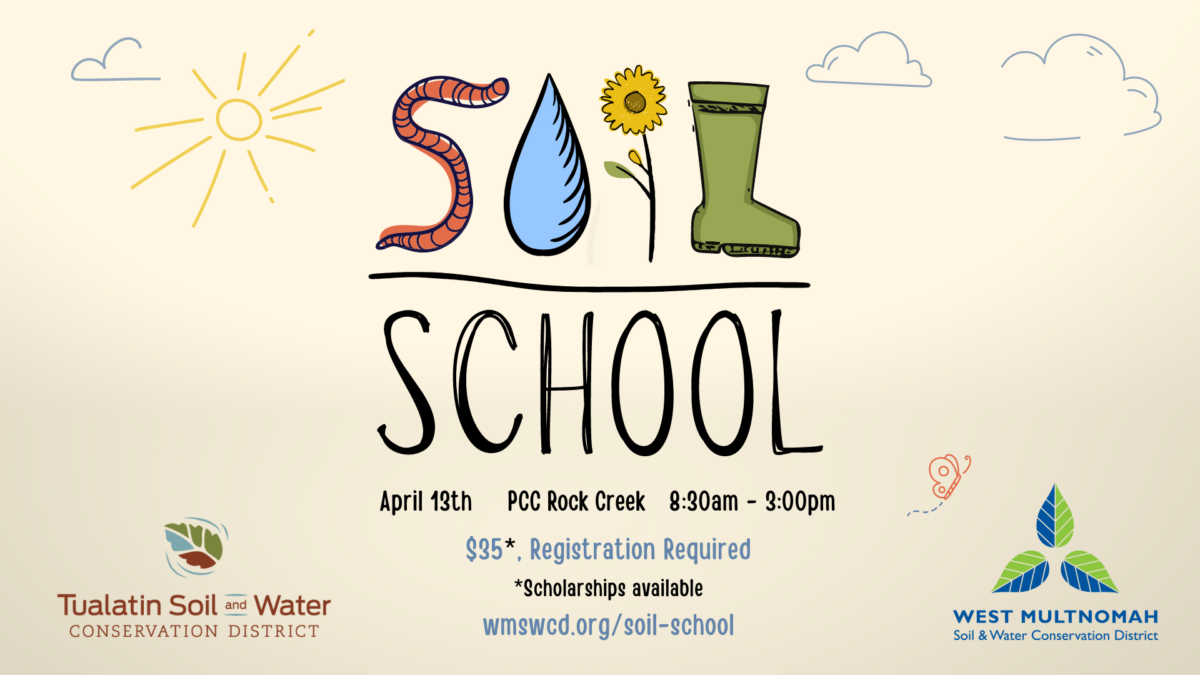
Calling all gardeners– from aspiring to advanced–to Soil School 2024! The event offers 8 sessions taught by experts to learn about how improving soil health improves plant, garden, and habitat health. $35 covers the whole day, plus breakfast and lunch. Scholarships are available, see details and registration link below. Saturday, April 13, 2024 | 8:30…
Read MoreWelcome New Demographic Data Analyst Intern Aurora
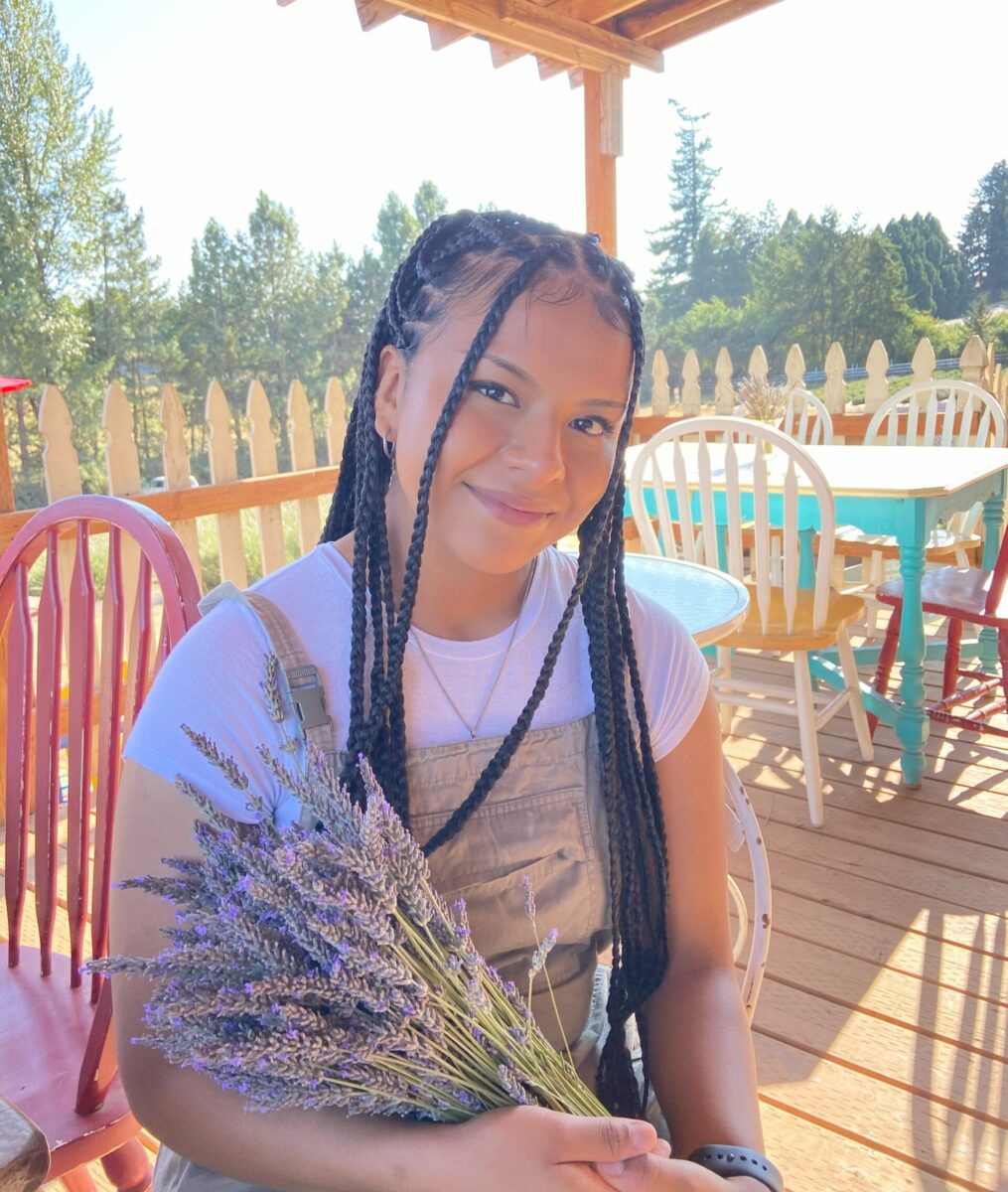
Aurora Villa Juan joined our staff team in January as our Demographic Data Analyst Intern. In this role, Aurora will work with a data analyst mentor at Portland State University and our staff to help the District collect and analyze information to help inform strategies that will further accountability to diversity, equity, and inclusion goals.…
Read MoreStormwater Stars Turns 10!
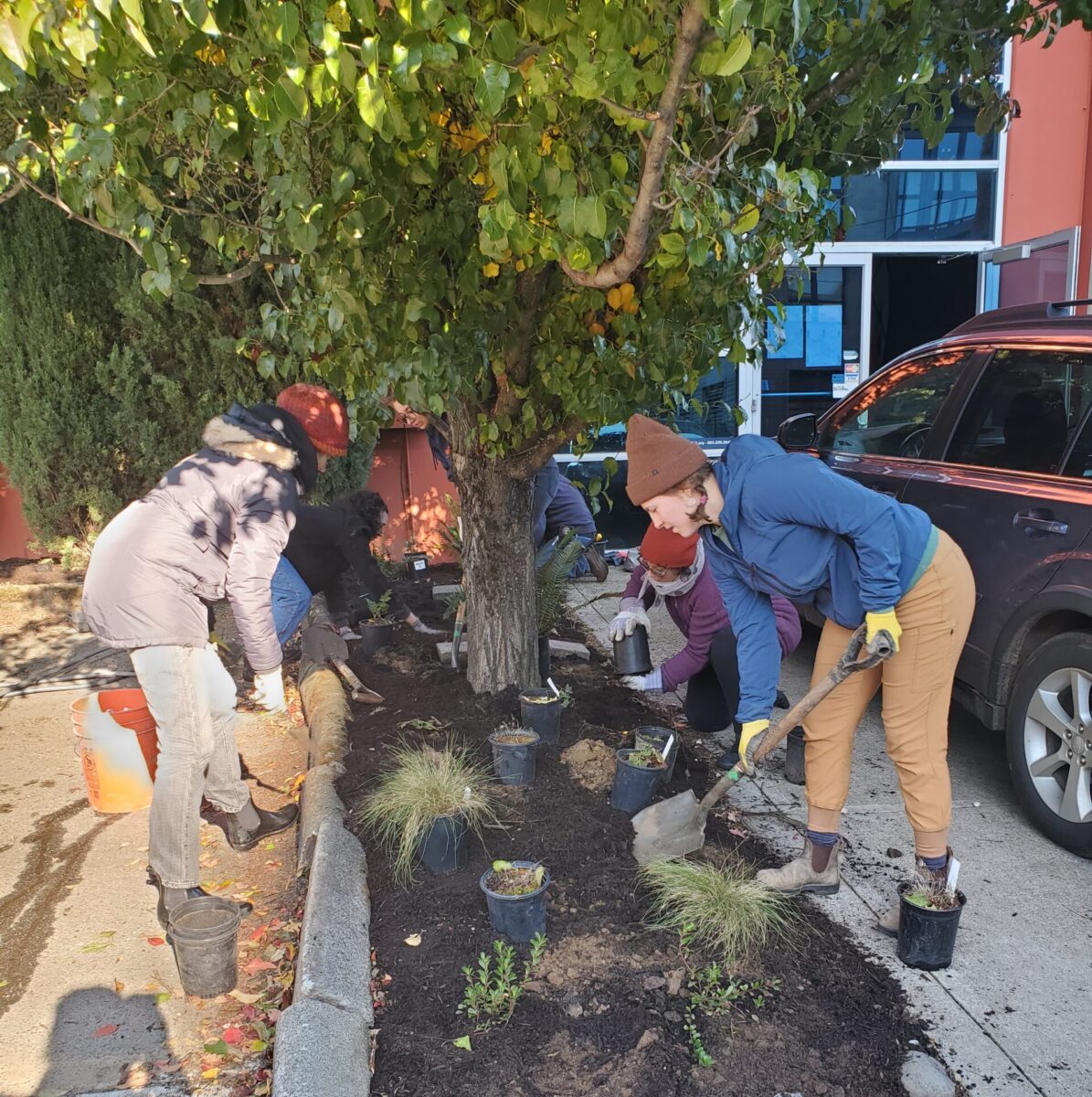
Stormwater Stars is now 10 years old! This great program provides instruction for District residents with in a suite of yard-scale practices that catch or absorb rainfall to reduce or eliminate surface runoff, erosion, and flooding. These are common in Portland’s West Hills, due to steep slopes, high groundwater tables, and poorly draining clay soils.…
Read MoreHelp Us Stop the MOB
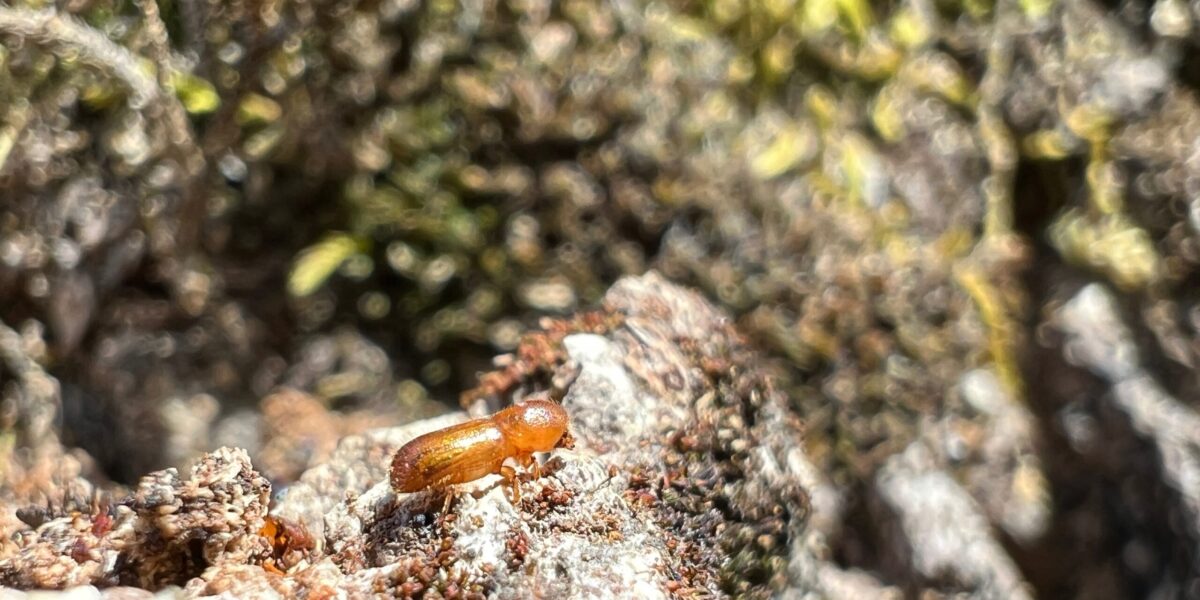
For the most recent information on Mediterranean Oak Borer, please see the entry on it in our Invasive Species Directory, which is updated as developments occur. The Mediterranean Oak Borer (MOB) is a tiny beetle that spreads fungus as it drills into oak trees, which eventually kills the trees. MOB infestations have already been found on…
Read MoreOur Board Can Now Include You
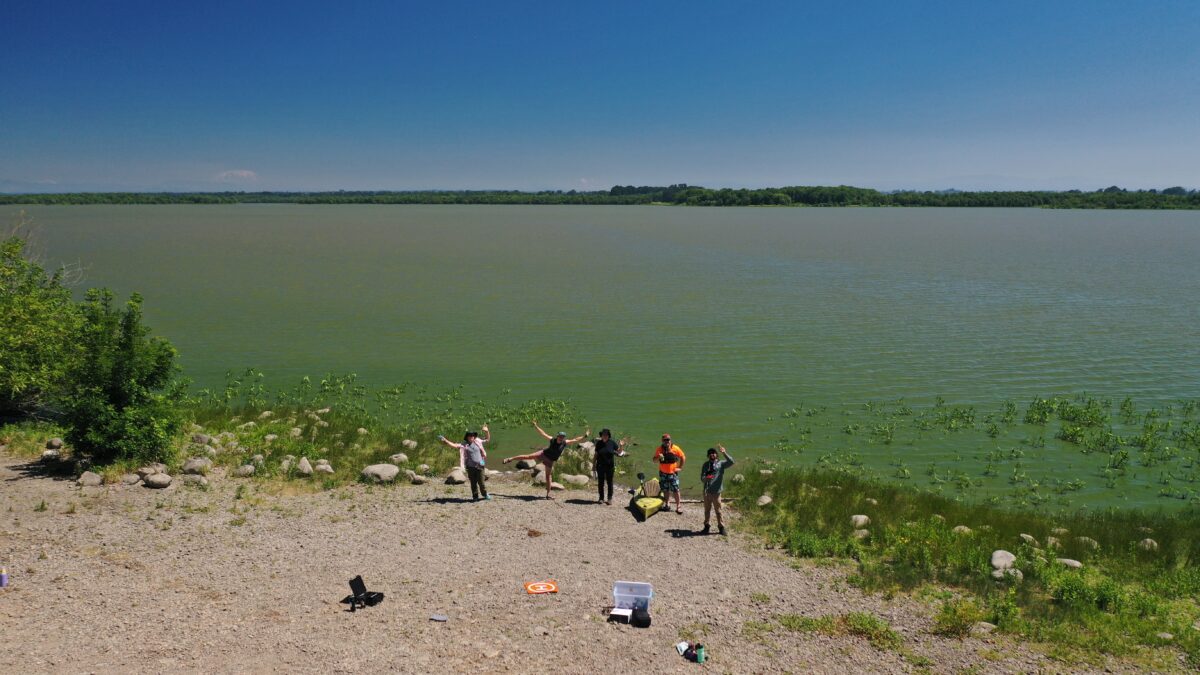
The requirements to join the board of a conservation district just became more inclusive. Now, any registered voter living in a conservation district with at least 250,000 people can now run for Zone-specific board positions in the Zone where they reside or for At-Large board positions. Previously, Zone-specific board seats had requirements of owning or…
Read MoreYou’re Invited: 2023 Annual Meeting
(PHOTO BY PAT WELLE) Join us for our 2023 Annual Meeting! Date & Time: Tuesday, November 28, 2023 Hosted Dinner: 5pmAnnual Meeting & Awards Ceremony: 6pmThere will be an abbreviated Board of Directors meeting following the Annual Meeting Location: The Old Spaghetti Factory, 715 S Bancroft St, Portland OR 97239 Agenda: Present annual report Present…
Read MoreSummer on the water
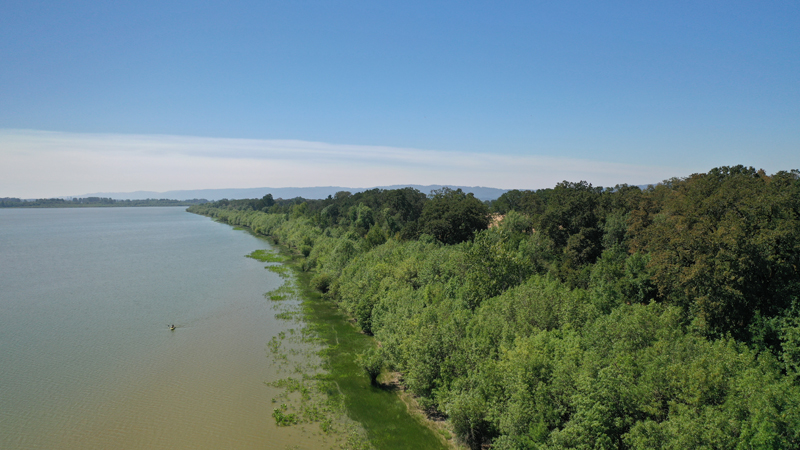
Our conservation team is busy getting ready for another aquatic weed season in our waterways! Phragmites australis var. australis and Ludwigia (Ludwigia hexapetela and Ludwigia peploides) are the main targets as they have been found occasionally in the Multnomah Channel. Staff will also be keeping an eye out for other priority aquatic weeds that haven’t…
Read MoreAre you interested in serving as an Associate Director?
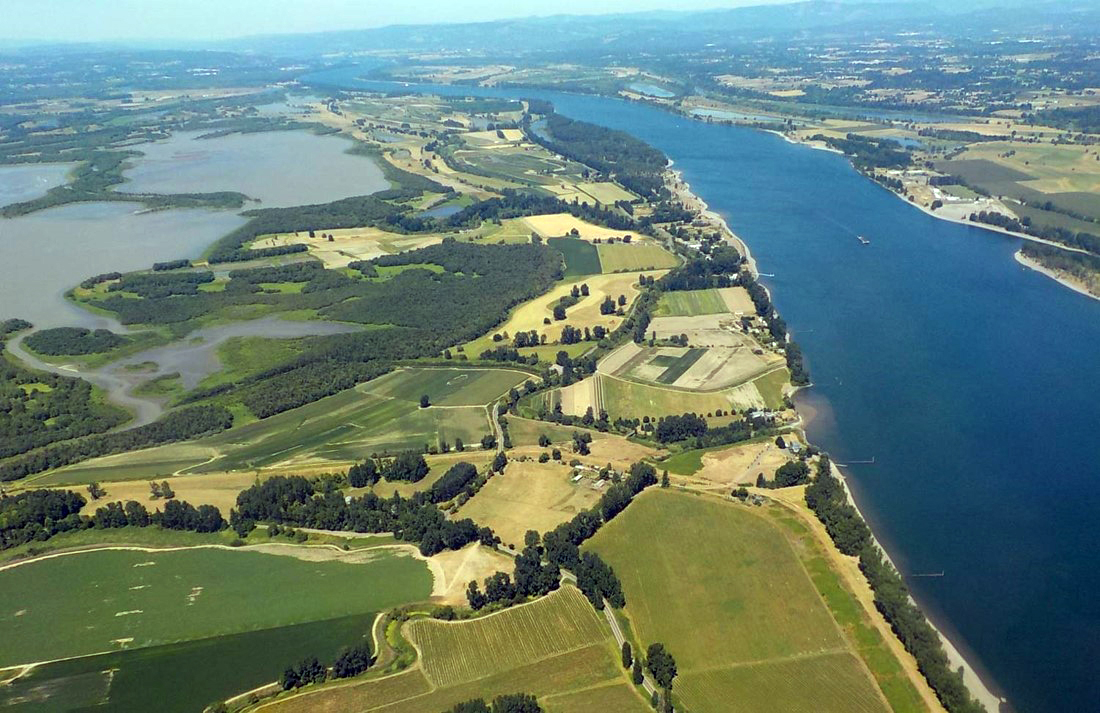
The West Multnomah Soil & Water Conservation District Board of Directors can appoint Associate Directors to contribute additional expertise and energy to the board. What is the role of an Associate Director? Associate Directors are volunteers who reside within the District’s service area. They serve as non-voting members of the Board of Directors. Their input…
Read MoreHow to create and maintain wildlife habitat on your land
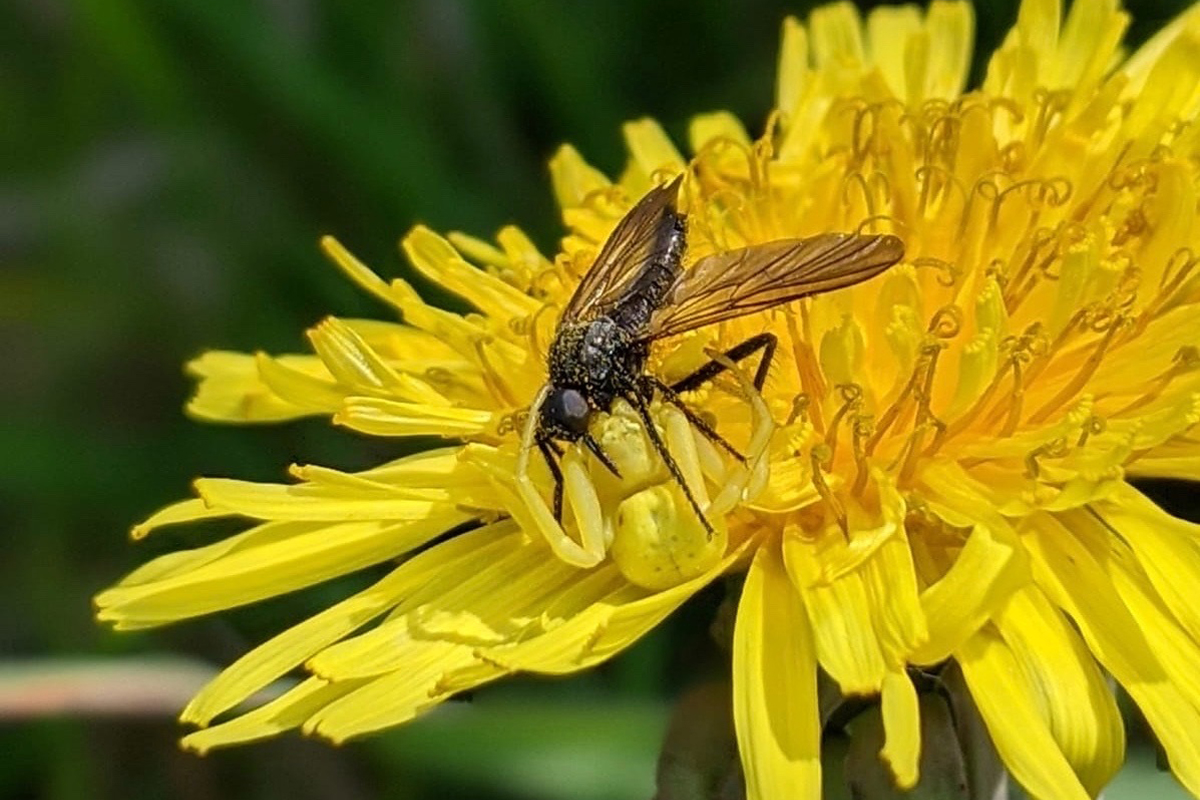
There are many things you can do to attract wildlife to your property and improve existing wildlife habitat: Want to improve wildlife habitat on your forest land? The Woodland Fish and Wildlife publication series is for you. A variety of practical “how to” publications are written just for small forest owners in the Pacific Northwest: If you…
Read More