
by Ariana Scipioni, Urban Conservationist
Since joining West Multnomah Soil & Water Conservation District in August 2024, I’ve found that my role as an Urban Conservationist is all about connecting people, place, and practice. I draw on scientific methods, alongside the passion and lived expertise of our community, to increase access to land for those who have historically been excluded, integrate green solutions to reduce erosion and manage stormwater, and increase wildlife habitat connectivityConnectivity the degree to which patches of landscape are connected, either helping or impeding animal movement and other ecological processes like the flow of water or dispersal of seeds across Portland.
Community Partnerships and Grants
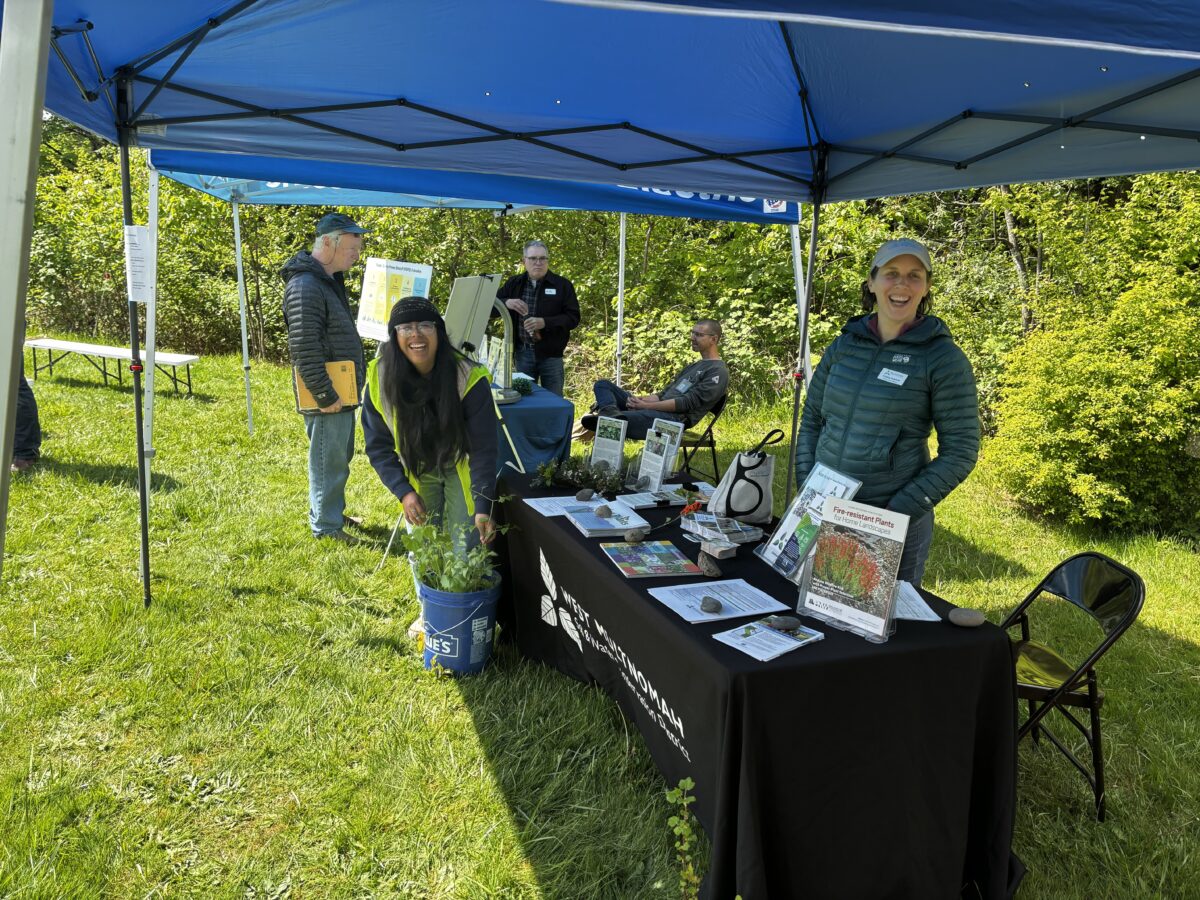
In my first quarter, I met with 30 of our partners to learn about ways we can support each other, including Wisdom of the Elders. That organization received one of our Partner grants last year to fund Indigenous Traditional Ecological Knowledge internships, opening doors for emerging tribal ecologists. We are thrilled to announce that our Partner Grant program will reopen this winter after a one-year pause.
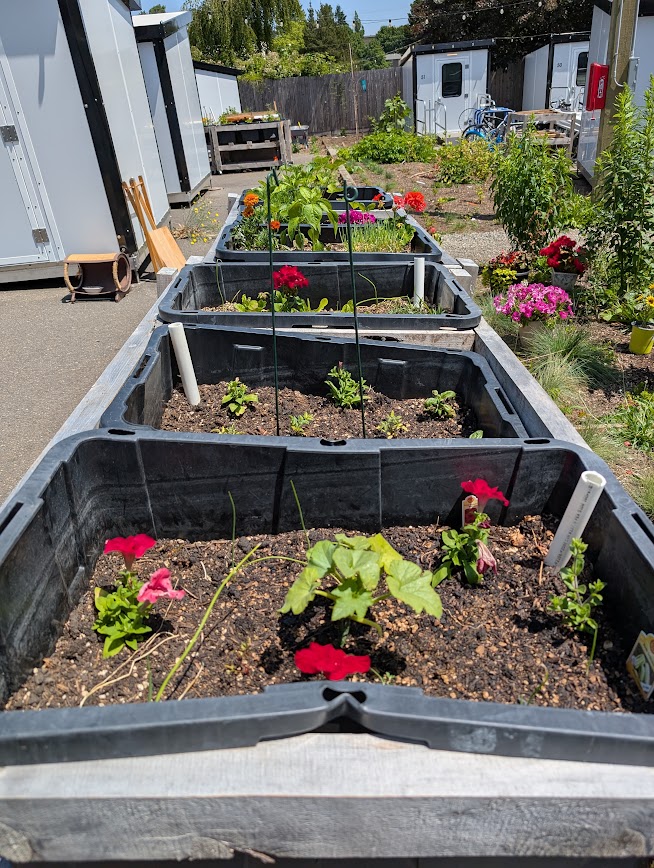
My portfolio is diverse and one of my projects aims to address the District’s goal to increase access to the land through community gardens. The NRCS’s People’s garden grant was awarded to the District in 2023 in partnership with Haki, Unite Oregon, and Portland Parks. The grant’s purpose is to create a community garden for immigrants and refugees in SW Portland. We have now selected two sites and moved into the design phase, which has been informed by engagement events where we provided childcare and translation services so everyone could participate.
Northern Red-Legged Frog Conservation
This past winter, I joined the Harborton Frog Shuttle volunteers in the cold rain to carry Northern Red Legged Frogs (NRLF), an Oregon Conservation Strategy species, across Highway 30. I’ve been surveying amphibian egg masses the past few years in my previous job at Oregon Dept. of Fish & Wildlife, and I was glad to continue tracking numbers at PGE’s Haborton wetland. Just beneath Forest Park, we found 1,700 egg masses of NRLFs in the shallow water. This number implies that 1,700 female frogs had successfully traversed downhill from the upland habitat of Doug fir, vine maple and sword fern to the wetlands bordering the Willamette River to breed. However, it was dedicated volunteers who had moved over 900 of these females across two roads, railroad tracks, and the four-lane highway night after night this past winter. Roads are perilous barriers to movement for many species especially slow-moving reptiles and amphibians. I have been collecting samples of NRLFs that do not make it across the road for a US Geologic Survey skeletochronology study of age, growth and longevity in this frog population, using their skeletal tissues.
I’m also mapping Northern Red-legged Frog breeding sites and migration corridorsCorridors Wildlife corridor: a stretch of habitat that connects natural areas separated by human land use across our District. Monitoring an indicator species like the NRLF is essential; its presence and abundance reflect the broader health of our wetlands and riparian areasRiparian areas The land alongside a stream, creek, river, or floodplain. By tracking these populations over time, we can spot environmental changes early, evaluate how well our management actions are working, and ensure we are effectively protecting local biodiversity.
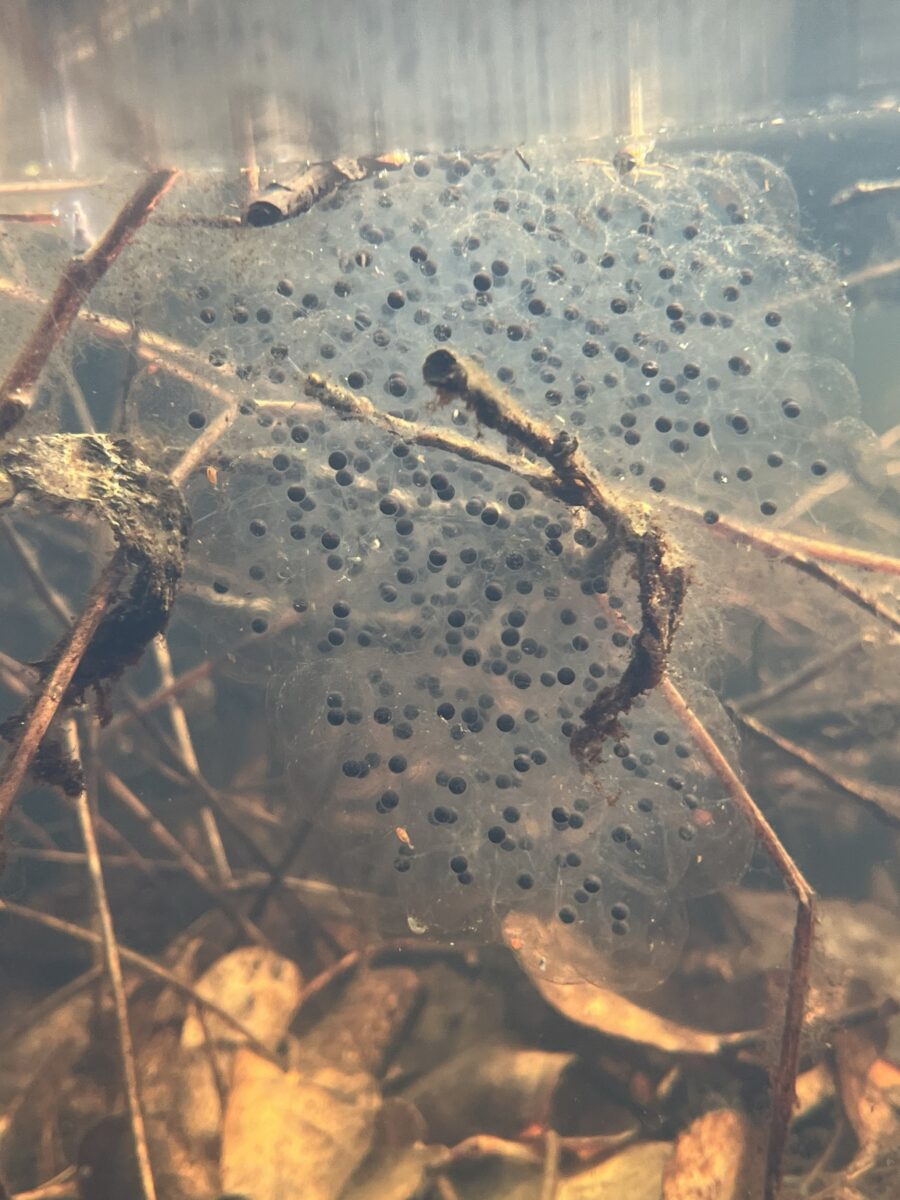
If you have a wetland that might support Northern Red-legged Frogs or other amphibians, please reach out; I would love to help you enhance vegetation for egg-mass attachment and track populations this coming winter.
Wildlife Habitat Connectivity
Research has shown that wildlife road crossings can help prevent the millions of wildlife vehicle collisions that occur every year. The new ODFW/CREST Palensky wildlife undercrossing, completed under HWY 30 last fall just past the Wapato Island Bridge, is already in use by multiple species including NRLF. You can contribute valuable data on where wildlife collisions occur across the state using iNaturalist. Community scientists have recorded over 3,000 observations so far.
I serve on the Steering Committee for the Regional Habitat Connectivity Working Group to help integrate habitat connectivity into regional planning efforts. I am also coordinating a new joint policy group focused on incorporating Oregon white oak conservation and habitat connectivity into local and regional policy frameworks. Our goal is to work with partners to create maps of the District’s, and the region’s, most critical habitat corridors and encourage planners, developers, and landowners to improve habitat quality and interconnectedness of these fragmented patches of land.
Climate Adaptation and Resilience
Key issues facing the urban core include adapting our planting palettes to a changing climate, increasing landscape permeability for wildlife movement, and strengthening our region’s resilience to wildfire.
Scientists at Metro’s regional government have been convening important discussions on climate adapted plant material research for our region. These meetings bring together a diverse group of natural resource practitioners to share observations on which plant species are struggling and share regional data on assisted migration of plants.
Wildfire Education and Preparedness
While fire is a natural part of our region’s ecosystem, most of our communities were not designed with today’s growing wildfire risks in mind. To better understand how we can adapt, I attended a Community Wildfire Defense Plan training in the fall. This year also offered rewarding opportunities to engage directly with the public by volunteering at the District’s popular Wildfire Ready workshop and tabling at the Wildfire Preparedness Weekend at the World Forestry Center. In addition, I am coordinating a team of wildfire experts from Portland Fire & Rescue, Oregon State University, and local restoration professionals to co-develop a Fire-Smart, wildlife habitat Landscaping Guide, tailored for Metro area gardeners and our changing climate.
Being an Urban Conservationist means I’m never working alone. It’s a role defined by collaboration, with landowners, partner organizations, tribal leaders, scientists, and volunteers, united by a shared commitment to keep our rivers cleaner, our forests healthier, and our urban landscape more resilient.